
Delivery Trip planning
Connect drivers, vehicles, departure information and customer delivery stops.
Transport management software Australia can connect delivery planning, vehicles, packing, shipments, inventory and transport-related expenses around one operational data model using ERPNext and Frappe fleet capabilities.
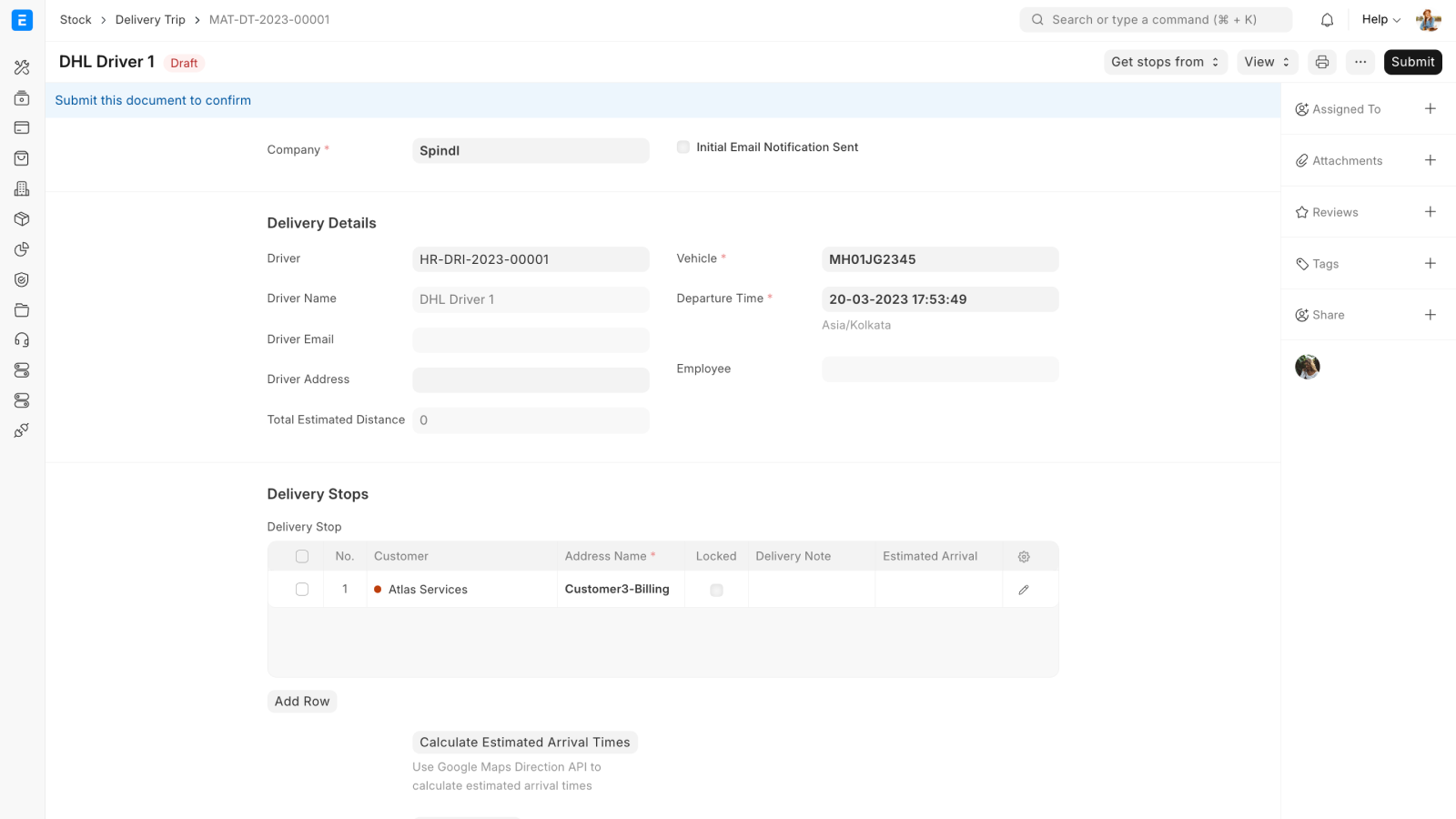
Connect drivers, vehicles, departure information and customer delivery stops.
Use Packing Slips to split goods across packages while staying linked to delivery records.
Track odometer, fuel and service information through Vehicle Logs.
Connect warehouse stock with delivery and shipment transactions.
Transport management software Australia can combine delivery notes, packing, delivery trips, shipment records and stock information so transport teams operate around the same business transactions used by sales, inventory and accounting.
Official ERPNext references: Delivery Trip documentationPacking Slip documentation.
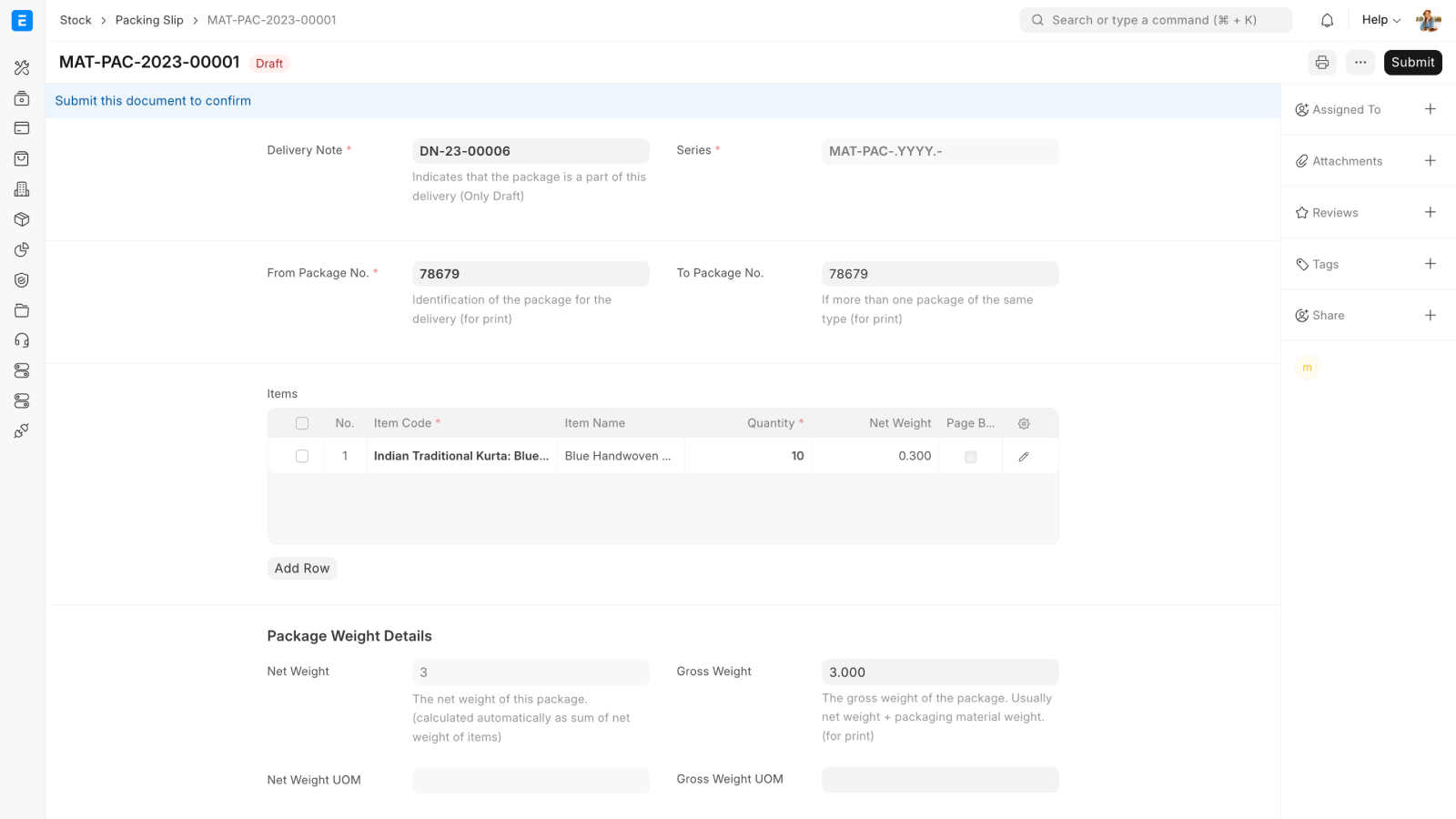
Packing Slips support deliveries that need multiple packages and keep package information connected to the related Delivery Note.
Capture delivery stops and use estimated-arrival and route optimisation features when the mapping integration is configured.
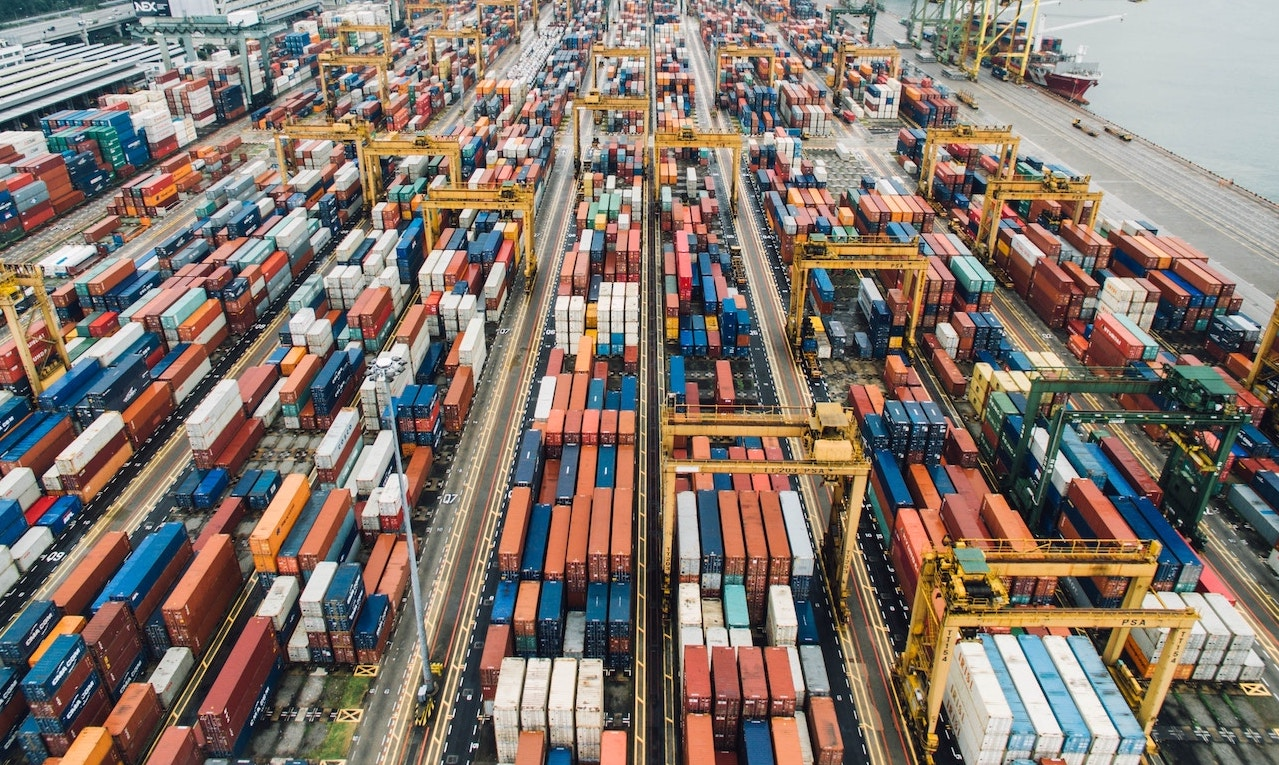
Use ERP records as the operational backbone for deliveries, stock, shipment documents and financial follow-through.
Transport management software Australia is easier to govern when fulfilment, packing, dispatch, delivery and financial impact remain connected instead of being managed in separate spreadsheets.
Start from confirmed customer demand and fulfilment requirements.
Prepare warehouse goods and package-level delivery information.
Record delivery details, transporter information and partial fulfilment.
Assign driver, vehicle, stops and departure information.
Track the real-world shipment record where the process requires it.
Keep shipping, landed costs and receivable impact connected to ERP accounting.
Transport management software Australia can use Frappe HR Vehicle and Vehicle Log records to capture odometer readings, fuel details and service expenses, with submitted logs supporting vehicle-related Expense Claims.

Use vehicle records as the master data foundation for fleet-related logs and expenses.
Record date, odometer and associated driver or employee information.
Capture fuel quantity, price, supplier and invoice reference where needed.
Record vehicle service expense information and connect eligible expenses to claims.
Transport management software Australia is broader than dispatch alone. Stock, packing, shipping rules, landed costs, returns and accounting all affect how efficiently goods move through the network.
Use stock and delivery records to support fulfilment decisions and keep physical movement aligned with ERP transactions.
Define shipping charges using relevant transaction conditions such as value or weight.
Add freight, shipping charges, customs or other additional costs into landed-cost calculations where applicable.
Record sales or purchase returns so inventory and financial records stay aligned with real-world reverse logistics.
Use ERPNext stock records and reports to understand where inventory is available before fulfilment decisions are made.
Transport management software Australia can support Delivery Notes, Packing Slips, Delivery Trips, Shipping Rules, Shipments, stock transactions and related accounting records, with Frappe HR covering vehicle and vehicle-log records.
Transport management software Australia can use ERPNext Delivery Trip to record a driver, vehicle, departure details and customer delivery stops, with estimated arrival times and route optimisation available when mapping integration is configured.
Yes. Transport management software Australia can use Frappe HR Vehicle Logs to record odometer readings, fuel details and service expenses and support vehicle-related Expense Claims.
Yes. Transport management software Australia can use Packing Slips when an order or delivery is divided into multiple packages while remaining connected to a Delivery Note.
Yes. Transport management software Australia can use Shipping Rules to calculate shipping charges based on conditions such as transaction value or weight.
Transport management software Australia can use the ERPNext Shipment document to track real-world shipments created against a Delivery Note or independently, depending on the process.
ERPNext Delivery Trip documentation includes estimated arrival-time calculation and route optimisation features. Google Maps integration is used when configured for these route and time calculations.
ERPNext provides strong logistics, inventory, delivery and fleet-related building blocks, but specialist requirements such as telematics, live GPS tracking, carrier marketplaces or complex transport-rate engines may require integration or custom development.
Transport management software Australia implementation should start with your vehicles, routes, warehouses, deliveries, packing, shipment records, transport costs and reporting requirements.